
Home / 24/7 Emergency / Electrical Emergencies
Electricians on call now · 24/7
Electrical Emergency? Start Here.
What to do right now, how serious it is and who to call
Fire, smoke or someone shocked? Call 911 first. Then call us.
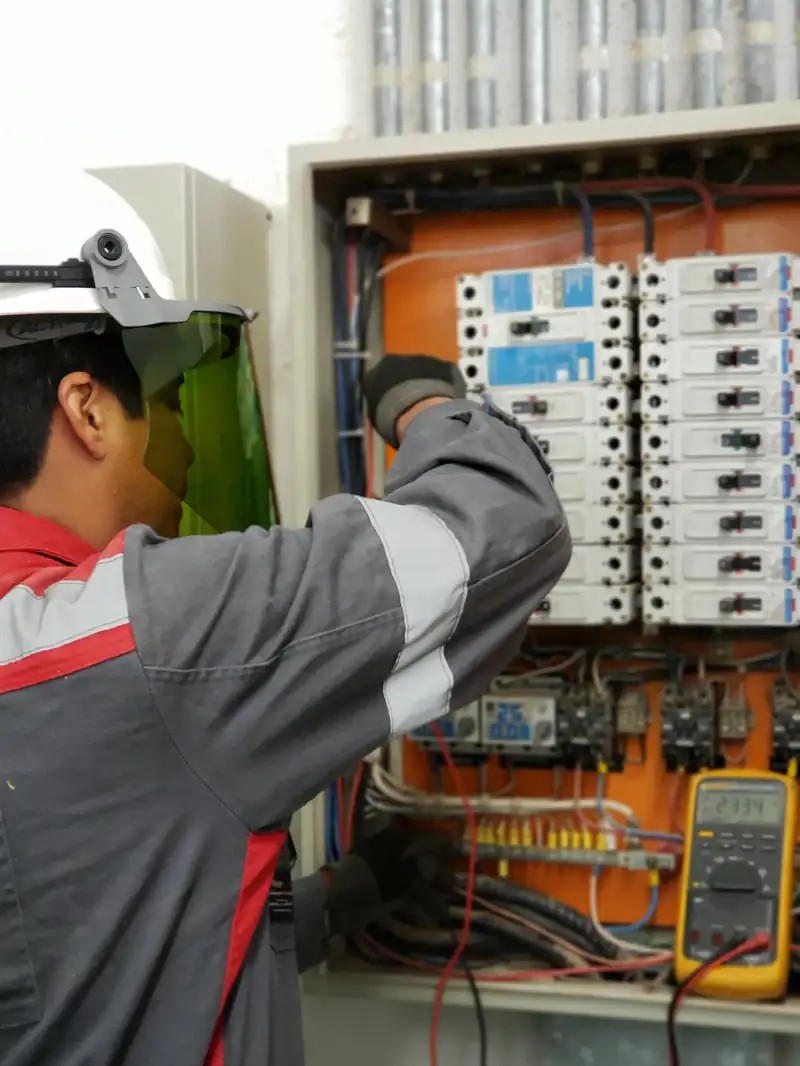
Fire, smoke or someone shocked? Call 911 first. Then call us.
Burning smells, sparks, hot outlets or panels, lights that brighten and dim, and partial power loss are electrical emergencies. Turn off the affected breaker if it's safe, stay away from water and downed wires, and call a licensed electrician. Xlectrical answers 24/7 at 754-289-8993; the emergency service call is $299.
Whole street dark? That's an FPL outage: 1-800-4OUTAGE (1-800-468-8243).
Pick what you're seeing for safe first steps, likely causes and what a repair involves.
| What's happening | Who to call |
|---|---|
| Fire, smoke, or someone was shocked | 911 first |
| Downed power line, or the whole street is dark | FPL: 1-800-4OUTAGE |
| Only your home, or part of it, has no power | Xlectrical: 754-289-8993 |
| Burning smell, sparks, buzzing, or a hot outlet or panel | Xlectrical: 754-289-8993 |
| Storm damage to your mast, meter can or panel | Xlectrical: 754-289-8993 |
| Water near outlets, panels or equipment | Stay away · Xlectrical |
A short answer and the first safe thing to do for each emergency. Open any problem for the full checklist, likely causes and what the repair involves.
When only part of a home loses power, the cause is usually a tripped breaker, a tripped GFCI or a problem on one of the two “legs” of the electrical service. First step: Check if neighbors have power. If the whole street is dark, it's an FPL outage — report it at 1-800-4OUTAGE (1-800-468-8243).
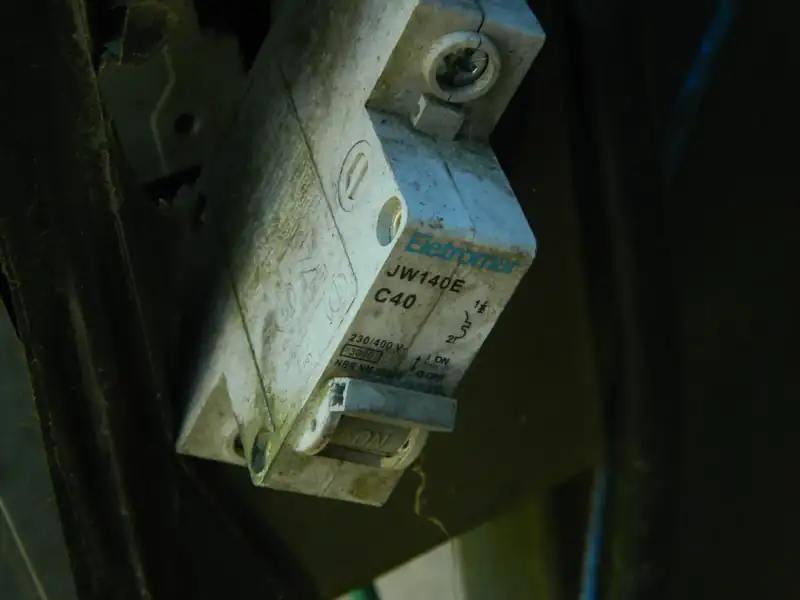
A breaker trips because of an overload, a short circuit or a ground fault. Repeated tripping is a warning that something on that circuit — or the breaker itself — needs attention. First step: Unplug everything on the dead circuit, or turn off the appliances it feeds.
A burning, fishy or melting-plastic smell near an outlet, switch, light or panel usually means a connection is overheating. It can turn into a fire, so it should be checked right away. First step: If you see smoke or flames, get everyone out and call 911. Don't open a panel that's smoking.
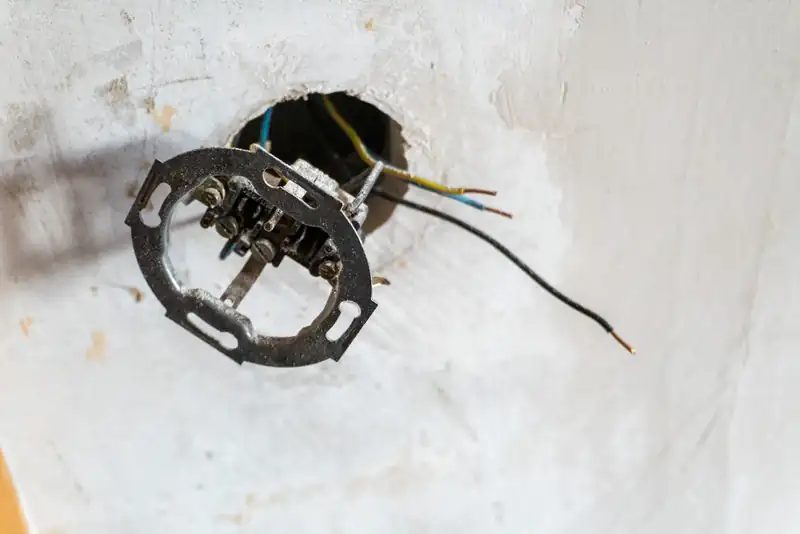
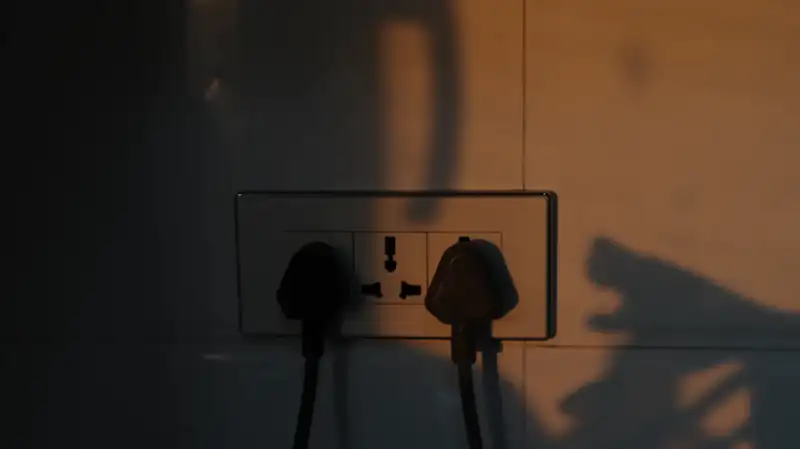
A brief, small blue spark when you plug something in can be normal. Large or repeated sparks, a pop, scorch marks or an outlet that feels warm or hot mean a damaged or overloaded outlet that needs repair. First step: Don't touch the plug or the outlet if it's hot or scorched. Turn off its breaker first.
A single flickering light is usually the bulb, the fixture or a dimmer. When lights flicker or dim across the whole house — or get brighter in some rooms — it can mean a loose connection in the panel, the meter or the service neutral. First step: Note whether it's one light, one room or the whole house, and whether it happens when the AC or another large appliance starts.
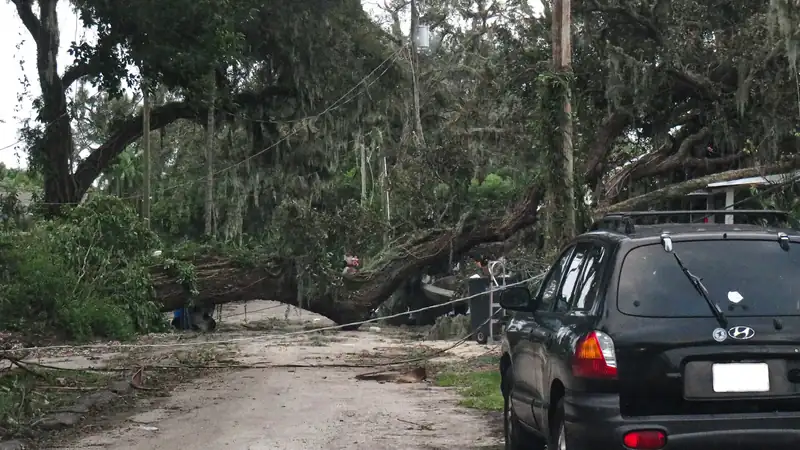
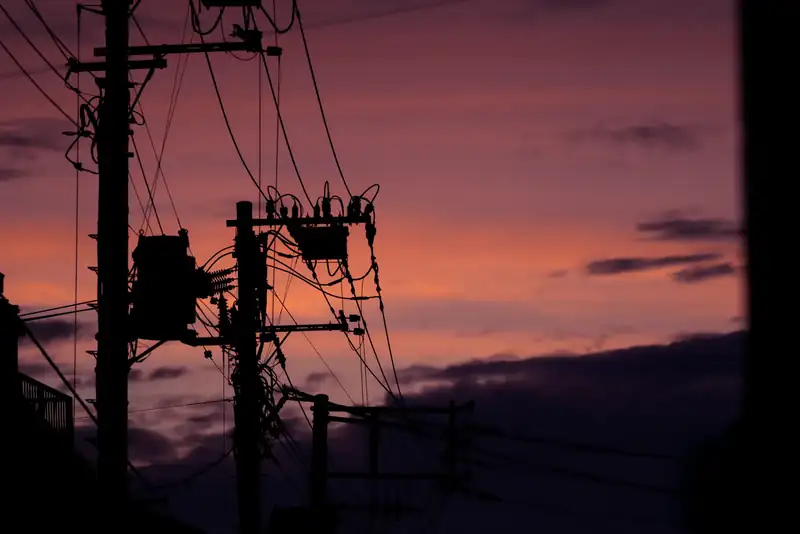
After a storm, FPL restores its lines and equipment. If your meter can, mast, panel or wiring was damaged, FPL may not reconnect your home until a licensed electrician repairs it. First step: Stay at least 30 feet from downed lines and anything touching them. Report them to FPL and call 911 if there is immediate danger.
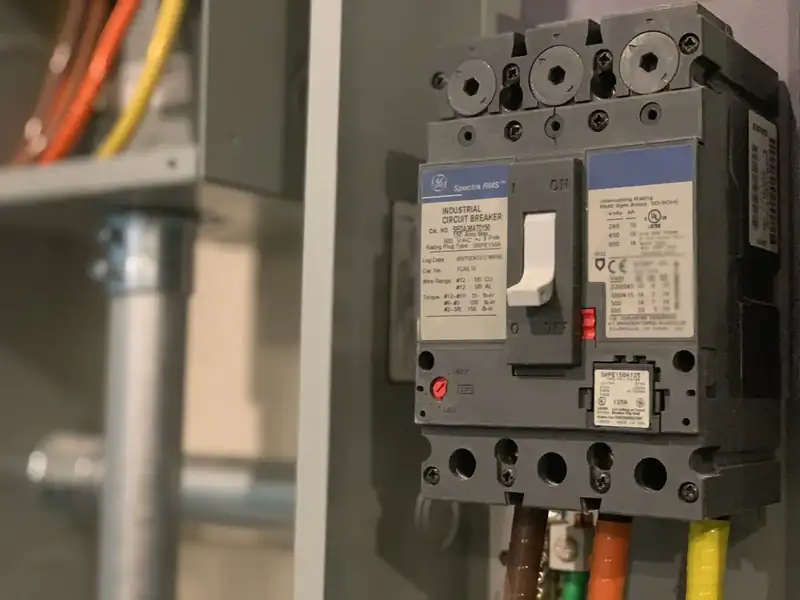
A panel should be quiet and cool. Buzzing, sizzling or crackling, or a panel cover or breaker that feels hot, usually means a failing breaker or a loose, overheating connection. First step: Don't open the panel cover or touch breakers that are hot, buzzing or discolored.
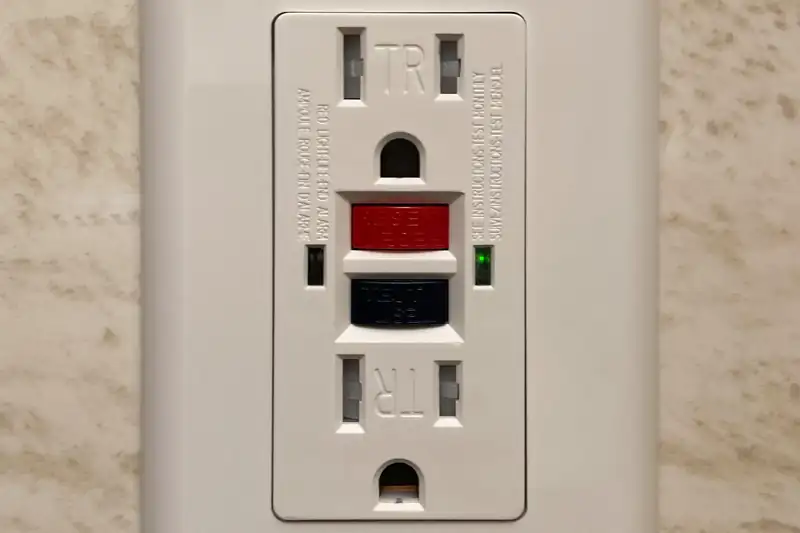
GFCI outlets shut off power when they detect current leaking to ground. One GFCI can protect several outlets in other rooms, so dead outlets are often fixed by finding and resetting the right GFCI — unless something is causing it to trip. First step: Find every GFCI (outlets with TEST and RESET buttons) in bathrooms, the kitchen, garage, laundry and outside — press RESET firmly on each.
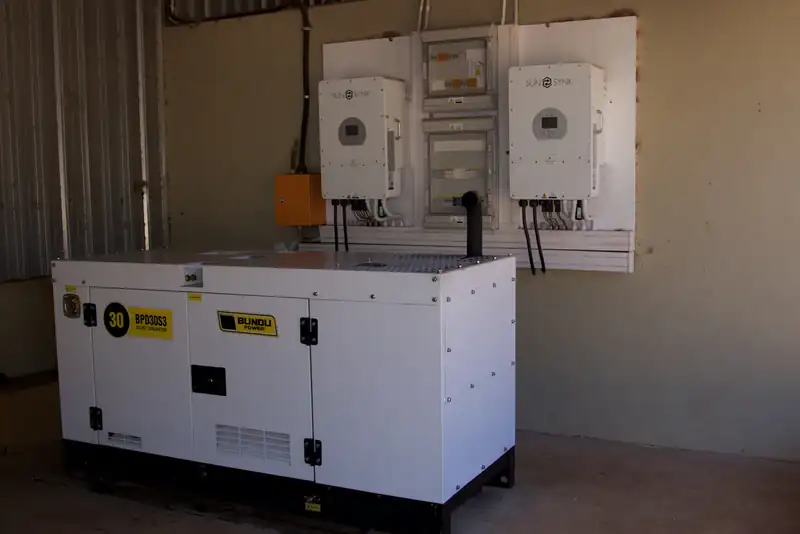
When a standby generator won't start, the cause is often the battery, fuel supply, an active alarm or the controller not being in AUTO. When it runs but the house has no power, the transfer switch or its connections are the usual suspects. First step: Check the generator's controller for an alarm or fault code, and make sure it's set to AUTO, not OFF or MANUAL.
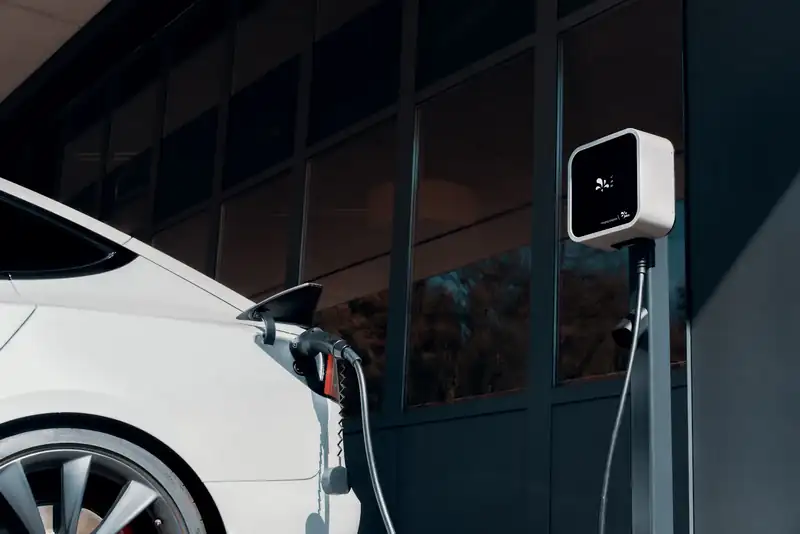
An EV charger that trips its breaker, shows a ground-fault error or won't charge is usually reacting to an undersized or overloaded circuit, a heat-damaged 240V outlet, a loose connection or a ground fault. First step: Stop charging and turn off the charger's breaker if the plug, outlet or cable is hot or discolored.
Call now for a burning or fishy smell, smoke, sparks or scorch marks; an outlet, switch, cord or panel that's warm or hot; buzzing or crackling from the panel; lights that get brighter and dimmer across the house; a breaker that trips again as soon as you reset it; water near electrical equipment; or storm damage to the wires and equipment on the outside of your home.
It can usually wait for a scheduled visit if a single outlet or light stopped working with no heat, smell or sparks, a GFCI resets and holds, or one bulb flickers. If you're unsure, call — we'll help you decide over the phone.
Learn more about our 24/7 emergency electrician service and see our pricing. ¿Prefiere español? Electricista de emergencia 24/7.
Call any time, day or night. We'll walk you through what to do safely and give you an arrival window.
754-289-8993